Overview of DTH Air Drilling
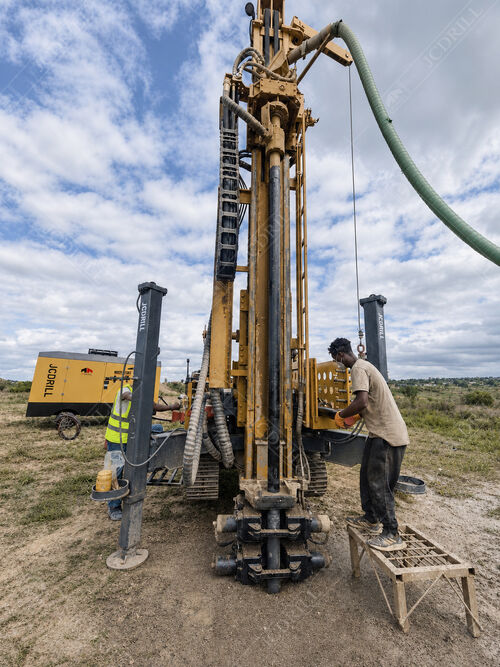
Down-the-Hole (DTH) air drilling is a percussion drilling technique where a pneumatic hammer is located directly behind the drill bit at the bottom of the hole. Compressed air serves both as the power source for the hammer and as the medium for removing drill cuttings from the borehole. This method is widely used in mining, water well drilling, geothermal applications, and construction projects.
Advantages of DTH Air Drilling
High Penetration Rates
DTH hammers deliver direct impact energy to the rock, resulting in faster drilling speeds compared to conventional rotary methods, especially in medium to hard rock formations.
Effective Cuttings Removal
High-velocity compressed air efficiently clears cuttings from the hole, reducing the risk of bit balling and improving overall drilling efficiency.
Straighter Holes
The direct application of force along the drill string axis helps maintain better hole alignment and reduces deviation.
Reduced Equipment Wear
Since the hammer operates at the bottom of the hole, energy loss through the drill string is minimized, and wear on surface equipment is reduced.
Versatility in Various Formations
Effective in a wide range of geological conditions, particularly in hard, fractured, and abrasive formations where other methods struggle.
Dry Drilling Capability
Eliminates the need for drilling fluids, making it ideal for water-scarce areas and reducing environmental contamination risks.
Immediate Formation Evaluation
Cuttings are returned quickly to the surface, allowing for real-time geological analysis.
Disadvantages of DTH Air Drilling
Compressed Air Requirements
Requires substantial compressor capacity, especially in deeper holes or when encountering water inflows, increasing fuel consumption and costs.
Limited in Unstable Formations
In highly fractured or unconsolidated formations, hole collapse may occur without the stabilizing effect of drilling fluid.
Water Inflow Challenges
Significant groundwater ingress can hinder cuttings removal, potentially requiring foam additives or switching to other drilling methods.
Noise and Dust Generation
Produces high noise levels and significant dust, requiring mitigation measures and potentially impacting work conditions and community relations.
Depth Limitations
While capable of reaching considerable depths (typically 300-600 meters), extremely deep holes may face air pressure and energy delivery challenges.
Higher Initial Investment
DTH hammers and high-capacity compressors represent a significant capital investment compared to some conventional drilling systems.
Hamper Maintenance
DTH hammers experience substantial wear and require regular maintenance and part replacement, adding to operational costs.
Applications Where DTH Air Drilling Excels
Production drilling in mines
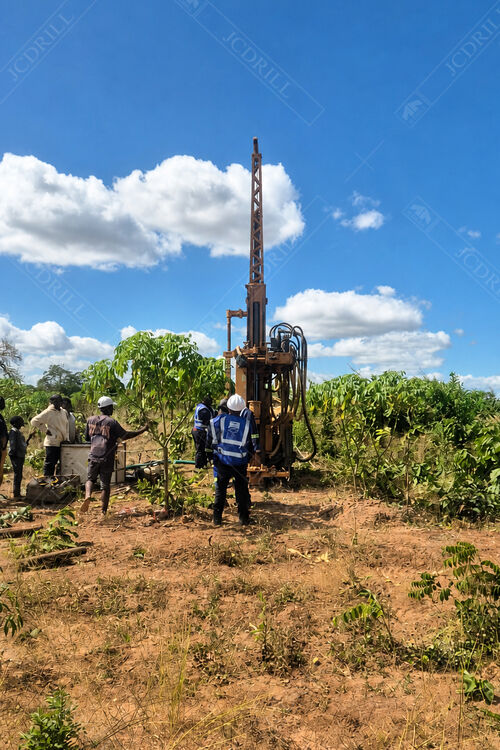
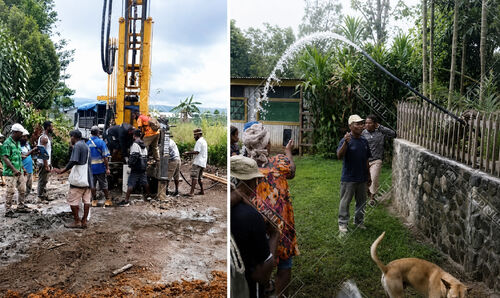
Water well drilling in hard rock areas
Geothermal well construction
Blast hole drilling
Foundation piling and tie-back holes
Conclusion
DTH air drilling offers significant advantages in penetration rate, hole quality, and operational efficiency in suitable formations. However, its limitations in unstable ground conditions, dependence on substantial air supply, and environmental considerations must be carefully evaluated. The choice to use DTH air drilling should be based on specific geological conditions, project requirements, environmental regulations, and economic considerations. When applied appropriately, it remains one of the most efficient methods for drilling in hard rock formations.